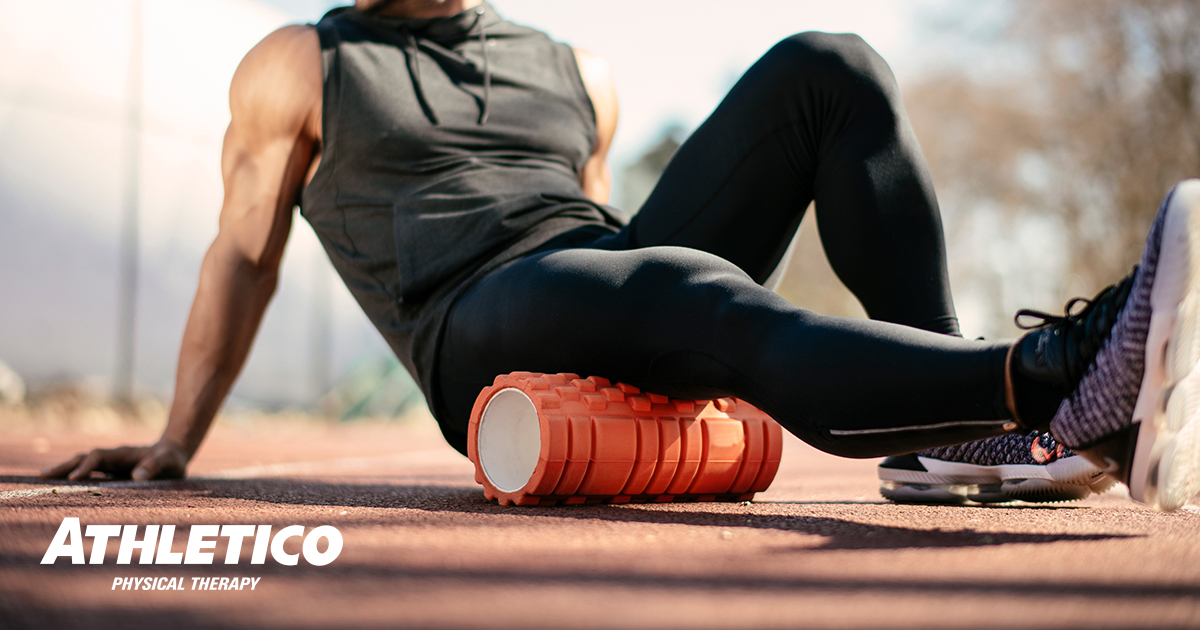
Foam rolling has become a must-have in many physical therapy clinics and gyms. If you’ve never seen it before, it’s a 3′ x 6″ foam cylinder that you can use to stretch and massage muscles during recovery and before and after workouts. While it’s a deceptively simple tool, there are many ways to use it. Many people swear by the benefits of foam rolling, claiming it can help them feel more flexible and reduce pain. These claims certainly sound good, but what exactly does building muscle do, and is it doing you any good?
foam rolling effect
Some claim that stretching your muscles is a great way to stretch and break up sore “knots.” However, at the musculature level, there are numerous studies confirming that musculature and connective tissue do not actually lengthen or become smoother with the pressure of foam rolling. So why do people feel better and more flexible after foam rolling? Studies have shown that tissue massage while foam rolling increases blood flow and reduces the sensitivity of nerve receptors in specific areas where the rolling time is short. Typically, a person has a greater range of motion as a result of increased blood flow and the effect of reduced nerve sensitivity to stretch and nociceptor (pain) receptors.
foam rolling recovery
So far, we’ve established that foam rolling doesn’t actually stretch muscles or fascia, and can have a temporary, albeit less sensitive, effect on blood flow and a person’s ability to stretch. Some people also use a foam roller after a workout or to relax. Likewise, rolling the tissue does increase blood flow to an area, which increases oxygen and helps flush out any built-up lactic acid, which should theoretically improve recovery and possibly reduce associated muscle soreness after intense exercise. Results have been mixed on whether foam rolling actually reduces overall muscle soreness after exercise, but there are other variables to consider, including the psychological effects of self-massage associated with pain.
Other ways to use foam rolling
Foam rolling has another common use besides rolling. Many people will lie on a foam roller lengthwise along the spine, with the head, spine, and tailbone resting on the foam roller. In this position, the person extends their arms out in a “T” shape. It’s a gentle way to stretch the neck, chest, and spine to help improve spinal posture.
key points
- Foam rolling should not replace stretching or exercise.
- Foam rolling can help you move more comfortably or aid recovery.
- If a foam roller makes it easier to keep moving and/or exercising, that’s a great reason to use a foam roller.
- You can also use the foam roller for spine and chest stretches to improve posture.
While foam rolling won’t actually help lengthen your tissues or break down sore spots in your muscles, they will help improve blood flow and make the stretch more tolerable. For many people, this helps them feel more comfortable while stretching or exercising. A tool that can help people exercise and stretch with less pain is beneficial because it encourages them to exercise more often, which is good for health and progress in training or recovery. Foam rolling can also aid recovery by improving blood flow to tissues after a workout. Let’s not forget, sometimes it feels good! If you’re someone who loves the feeling of a deep-tissue massage, foam rolling can be a great pre- and post-workout bonus.
If you have questions about how best to use foam rolling for your specific needs, be sure to visit the wellness resources section on our website and read more on the Athletico blog. You can also visit one of our clinics and request a free assessment with a physiotherapist for guidance on pain or health goals. Free assessments are available in-office or virtually through our telehealth service.
Request a free evaluation
*Beneficiaries of programs such as Medicare, Medicaid, Tricare, VHA, and other federally funded programs are not eligible for free evaluations per federal guidelines.
The Athletico Blog is an educational resource written by Athletico staff. Athletico bloggers are licensed professionals who abide by the codes of ethics established by their respective professional associations. The content published in blog posts represents the opinion of the author alone, based on his expertise and experience. The content presented in this blog is for informational purposes only and does not constitute medical advice and should not be relied upon in making personal health decisions.
refer to:
1. Beardsley, C., Skarabot, J. (2015). Effects of self-myofascial release: a systematic review. Journal of Bodywork and Exercise Therapy. https://www.sciencedirect.com/science/article/pii/S136085921500217X?casa_token=yxgXKqGThZcAAAAA:nCy1hA0lpuIUxY5_KoUW2F_hWZElGAm_sI2d9dNfPFH39_ze4MUggUyw4AGED5eqZ4u DhsLlIWo
2. MacDonald, G., Button, D., Drinkwater, E., and Behm, D. (2014). Foam rolling as a recovery tool after strenuous exercise. Medicine and Science in Sport and Exercise. https://journals.lww.com/acsm-msse/Fulltext/2014/01000/Foam_Rolling_as_a_Recovery_Tool_after_an_Intense.19.aspx
3. Adamczyk JG, Gryko K, Boguszewski D. Does the type of foam roller affect recovery rate, thermal response, and DOMS prevention? PLOS One. 2020 Jun 26;15(6):e0235195. doi: 10.1371/journal.pone.0235195. PMID: 32589670; PMCID: PMC7319325 https://www.ncbi.nlm.nih.gov/pmc/articles/PMC7319325/