
When a specific season comes, many of us become victims of seasonal allergies. Certain allergy-related issues, including a moderate case of hay fever, could resolve on their own. Occasionally using an over-the-counter medicine can help manage your allergies.
Allergies, however, might occasionally make it difficult to go about your daily activities or lower your overall standard of life. In rare cases, allergies may even be fatal. In this article, we will discuss the causes, symptoms, when to see a doctor about allergies, and the best herbal treatments for seasonal allergies. Let’s find out!
What is an Allergy?
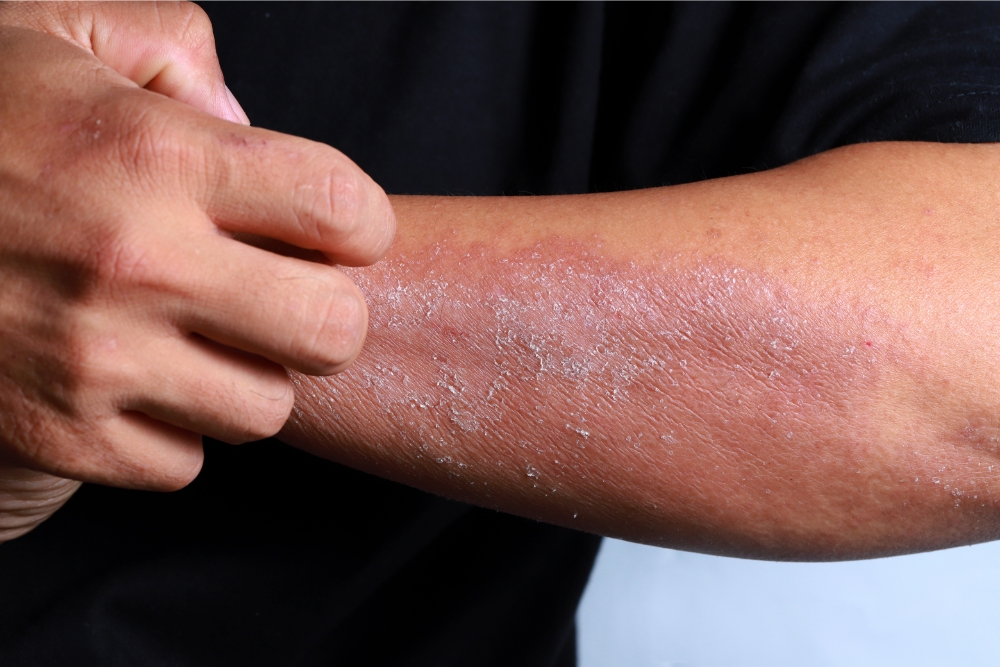
The human body’s ability to protect itself from dangerous invaders like germs and viruses is one of its wonders. However, occasionally the defenses are overly vigilant, leading to the false identification of innocuous things like dust, mold, or pollen as hazardous.
After that, the immune system mobilizes its defenses, which include several chemicals, to assault and eliminate the putative adversary. During this process, the allergy-prone person may suffer some uncomfortable and, in severe circumstances, potentially fatal symptoms.
What Triggers Allergic Reactions?
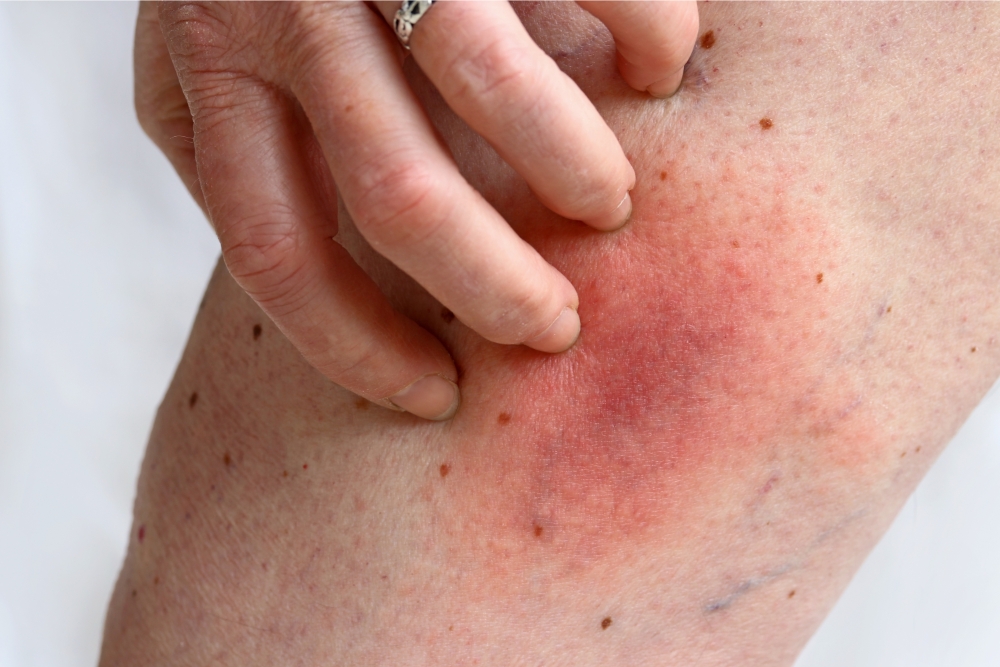
It might be difficult to determine which of the several potential causes of allergies is causing your symptoms. The following are a few of the most typical causes of allergies:
- Tree, plant, and grass pollen.
- Dust, such as that which is in and around your house.
- Some foods, particularly those that are most frequently linked to food allergies, such as dairy, gluten, eggs, soy, dairy products, tree nuts (particularly peanuts), and shellfish.
- The bite and sting of insects.
- Animal dander and fur.
- Some drugs, including antibiotics.
- Fragranced cosmetics and personal care items (source of alleged “fragrance sensitivities“).
- Smoking, which includes cannabis use, which is occasionally linked to asthma.
When to See a Doctor about Allergies?

If you believe you may have allergies, consider visiting a physician who can confirm or deny your symptoms. A medical doctor with a focus on treating allergic diseases is called an allergist. You may find out what triggers your allergies and how to stay clear of them by seeing an allergist. Schedule a meeting if:
- You have symptoms that make it difficult for you to perform your job or sleep, such as runny or nasal passages, cough, or watery eyes, and they have persisted for longer than three months.
- Still have the desire for additional relief even after using over-the-counter medications.
- You frequently get headaches, stuffy noses, sinus infections, and ear infections.
- Having problems falling asleep or snoring.
- You suffer from other health issues such as high blood pressure, an enlarged prostate, diabetes, glaucoma, thyroid, liver, or renal illness. If so, using over-the-counter medications to treat allergies may not be safe.
You May Like How to Cure Throat in 24 Hours?
Top 3 Herbal Remedies for Allergies to Try at Home

Most of the time antibiotics don’t help relieve the symptoms of allergies, in that case, you should go for herbal treatment. Acupuncture, herbal preparations, teas, and nasal sprays are a few examples of natural allergy therapies. There is much scientific evidence to support the claims that some of these (such as honey) will lessen allergy attacks or relieve symptoms.
Remedy #1 Honey
Honeybee hives use blossom nectar to make honey. Numerous health advantages, especially those related to the immune system, have been connected to it. According to certain research, honey may lessen inflammation, which can ease irritated airways and facilitate breathing.
According to a 2018 study, using honey-containing nasal spray in addition to conventional therapies (such as antihistamines) for the symptoms of allergic rhinitis had some advantages.
Honey is frequently consumed by the spoonful or added to meals and tea. Supplements come in the form of chewable candies, pills, and capsules. Moreover, sprays for the nose are a possibility.
Honey contains a sticky substance called propolis, which may help reduce allergy symptoms. It has been demonstrated to be beneficial in easing asthmatic allergy symptoms.
Remedy #2 Butterbur
North America, Europe, and northern Asia are home to the shrub-like herb butterbur (Petasites hybridus). Herbal extracts have been used traditionally to treat asthma, allergic rhinitis, coughing, stomach pains, and migraine headaches.
Research indicates that butterbur root or extracts from the leaves may help treat allergic rhinitis, according to the National Centre for Complementary and Integrative Health in their statement. It hasn’t been proven to be helpful for allergic skin responses or asthma, though.
The plant’s leaves or roots are used to make commercial butterbur extracts. They are offered for oral use as tablets or capsules. Two daily doses of commercial butterbur supplements have been found to be beneficial in certain trials.
Butterbur can cause sleepiness, nausea, vomiting, diarrhea, headaches, exhaustion, and indigestion. It belongs to the family of ragweed plants. People with ragweed, marigold, daisy, or chrysanthemum allergies should stay away from butterbur and items containing it.
Remedy #3 Quercetin
As an antioxidant, quercetin helps shield cells from harm. It decreases inflammatory proteins and cells, particularly in the skin. Foods including apples (skin on), fruits, red grapes, onions that are red in color, scams, and black tea naturally contain it.
It is accessible as a supplement as well. It is used by some for asthma, allergies, atopic dermatitis (eczema), and allergic rhinitis. Quercetin may be used to create treatments for allergies and asthma.
Without human clinical trials, research has mostly focused on the effects of the substance in the test container or animal investigations. Based on available data, it might potentially mitigate the consequences of allergic skin responses, including atopic dermatitis. There are many different foods that contain quercetin.
As a dietary supplement, quercetin can also be found in capsule or tablet form. Between 200 to 400 milligrams (mg) multiple times a day is the usual dosage for allergy and hay fever.
You May Like How to Get Rid of Hay Fever Allergies?
The Bottom Line!
It is believed that a variety of natural treatments might lessen allergy symptoms. These include different herbs and vitamins. The impact of several of them on allergies is still not well understood.
You should see a doctor about allergies and inform your symptoms in a conversation first. If you have any doubts about how natural remedies can interact with your other allergic drugs, your doctors can assist you.