

In education, scaffolding refers to a set of instructional strategies designed to support and guide students in developing new skills and knowledge. The concept of scaffolding recognizes that learners need help to bridge the gap between what they already know and what they can achieve independently. Scaffolding learning strategies provide a pathway that you can use to help your students reach their highest potential.
The Importance of Scaffolding in Education
Scaffolding plays a vital role in the classroom, providing students with the tools and support they need to succeed academically. When teachers utilize scaffolding strategies, they create a learning environment that encourages active participation, engagement, and a deeper understanding of a topic. Scaffolding is one of the best ways to help students learn, especially when they are stuck.
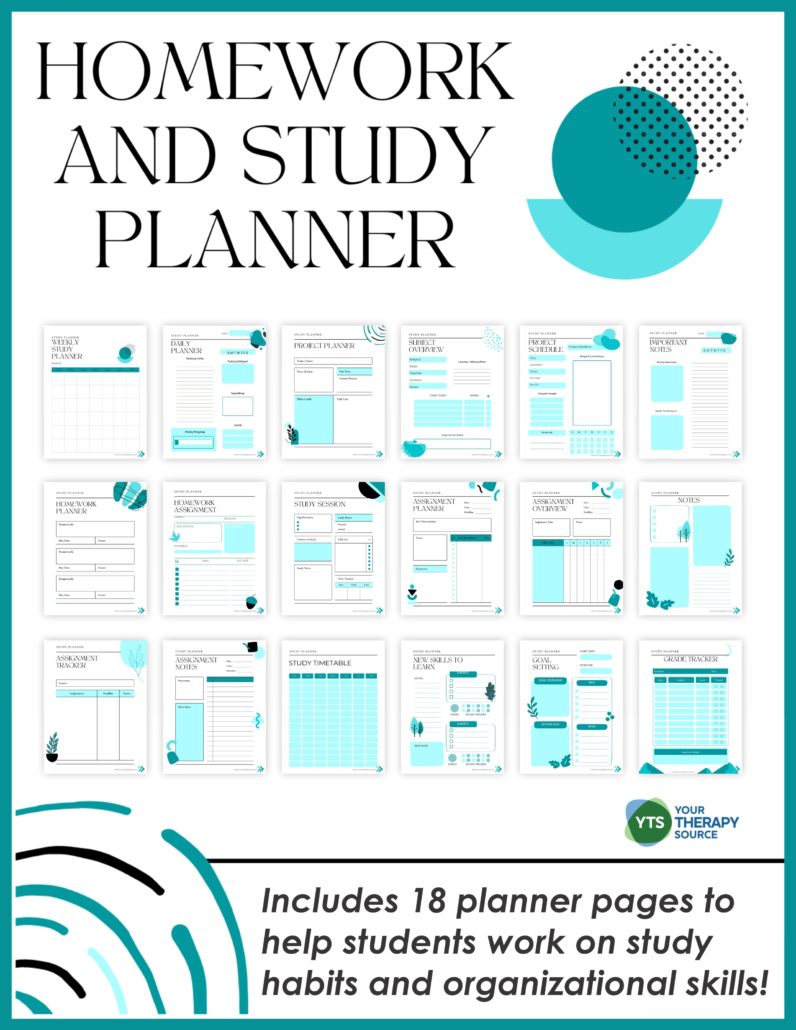
Study Skills and Student Work Plans
As a student, it can be difficult to focus on your studies and complete all your assignments. School is stressful enough, so students need an effective study plan to help them manage their time and prioritize what needs to be done first. It can make learning more fun by rewarding you for reaching goals and completing tasks ahead of time.this Study Skills and Student H…
Benefits of Scaffolding Learning Strategies
One of the main benefits of scaffolding is that it helps students build on their prior knowledge. Educators can facilitate the learning process and enhance understanding by connecting new concepts to what students already know. Scaffolded learning utilizes targeted support and guidance to help meet students’ needs and improve students’ overall understanding. Scaffolding is also less frustrating and overwhelming when students learn new topics because everything can be done step by step or incrementally.
What are examples of learning scaffolding?
To illustrate the concept of scaffolding, let’s consider a classroom scenario where students are learning how to write a paper. The instructor begins by introducing the essay structure and provides a graphical organizer outlining the main components, such as the introduction, body paragraphs, and conclusion.
In the initial stages of teaching, the teacher simulates the process of writing an essay by thinking out loud and sharing ideas. Known as “thinking out loud,” this technique gives students insight into the thought process behind essay writing. Teachers also provide opportunities for students to peer edit when they begin collaborating on papers. As students progress, they are gradually given more autonomy and responsibility for their essays, while still receiving guidance and feedback from teachers and classmates.
The Four Stages of Scaffolding Learning
Scaffolding learning involves four distinct stages, each designed to gradually shift responsibility from the teacher to the student. These stages ensure that students receive the support necessary to master new skills and concepts, while gradually developing independence and self-regulation. The stages are as follows:
Phase One: Orientation Guidance
During this initial stage, teachers provide students with clear direction and guidance. This may involve breaking down complex tasks into smaller, manageable chunks, using clear and concise language, and providing step-by-step demonstrations. By doing so, students gain a solid foundation and understanding of the subject matter. Students begin to adapt to the task at hand.
Phase Two: Guided Exercises
After receiving direct instruction, students perform guided exercises under the supervision of a teacher. During this phase, teachers provide support and feedback to help students apply newly acquired knowledge or skills. For example, teachers can provide sentence starters or prompts to help students structure their essays effectively. This stage still provides students with a great deal of support in their tasks.
Phase Three: Collaborative Learning
The collaborative learning phase emphasizes peer interaction and participation. Students work in small groups or in pairs to strengthen their understanding and apply what they have learned. This collaborative approach encourages active participation, develops communication skills and fosters a deeper understanding. Students begin to break away from the teacher’s strictly controlled way of progressing.
Stage Four: Independent Performance
In the final stage, students should independently demonstrate mastery of new concepts or skills. At this time, the scaffolding provided by the teacher is gradually dismantled, allowing students to take the initiative in learning. Teachers continue to monitor progress, provide feedback, and assess student understanding using rubrics or other assessment tools.

Student Plan PDF – Forms and Lists
Use Scaffolding to Achieve Goals
Our students have academic goals, and it is the educator’s job to help students achieve those goals. When educators use scaffolding strategies effectively, students are more likely to succeed. First, define student goals. Once your goals are clear, you can think about how to break down tasks into manageable steps or chunks to get there. When you start with instructional instructions and guided exercises, make sure your lesson plan has clear instructions. Assess student progress as you move to collaborative learning and independent performance. By the time you have completed your independent performance, students should be close to achieving their goals on their own!
Using Active Learning as a Scaffold Learning Strategy
Active learning is a scaffolded learning strategy designed to increase student engagement and foster deeper understanding. Teachers can incorporate hands-on activities, group discussions, problem-solving tasks, and interactive exercises into assignments. Here are some more tips on how to incorporate active learning strategies. These activities encourage students to actively participate in their own learning, collaborate with peers, and apply knowledge during the scaffolding process.
Helping Students Focus as a Scaffold for Learning Strategies
For the scaffolding stage to work, students need to be able to focus. There are many helpful strategies to help students stay focused in class. Teachers can implement techniques such as providing clear learning goals, breaking down tasks into smaller steps, using visual aids, and using verbal cues. By helping students focus on key elements of a lesson or assignment, this scaffolding strategy supports their ability to process information more effectively, stay on track, and ultimately better understand and master the content.
Scaffolding learning strategies are critical in education because they provide a framework to support student progress and development. Teachers can use instructional scaffolding techniques to effectively bridge the gap between students’ existing knowledge and new information, enabling them to master complex concepts and skills. Scaffolding promotes engagement, collaboration, and active learning while empowering students to become independent learners.